
Dry Bulk Liner Solutions for Powders, Granules, and Dry Bulk Cargo
Dry bulk liner is a practical containerized packaging solution for transporting large-volume dry bulk cargo such as powders, granules, pellets, grains, resins, minerals, and food ingredients. Installed inside a standard 20-foot or 40-foot container, it helps businesses improve container space utilization, reduce packaging cost, simplify loading and unloading, and move dry cargo more efficiently across road, rail, and sea logistics.
A dry bulk liner is a flexible inner liner fitted inside a shipping container to create a clean, enclosed, and efficient transport space for dry bulk products. Instead of packing cargo into many small bags, jumbo bags, drums, or other individual units, dry bulk liner allows product to be loaded directly into the lined container and discharged in bulk at destination.
For manufacturers, exporters, importers, commodity traders, and logistics operators, dry bulk liner can significantly improve the way dry products are moved. It supports higher loading efficiency, better use of container capacity, reduced manual handling, and lower packaging dependency. This makes it especially valuable for businesses handling large quantities of non-hazardous dry bulk cargo.
What Is a Dry Bulk Liner?
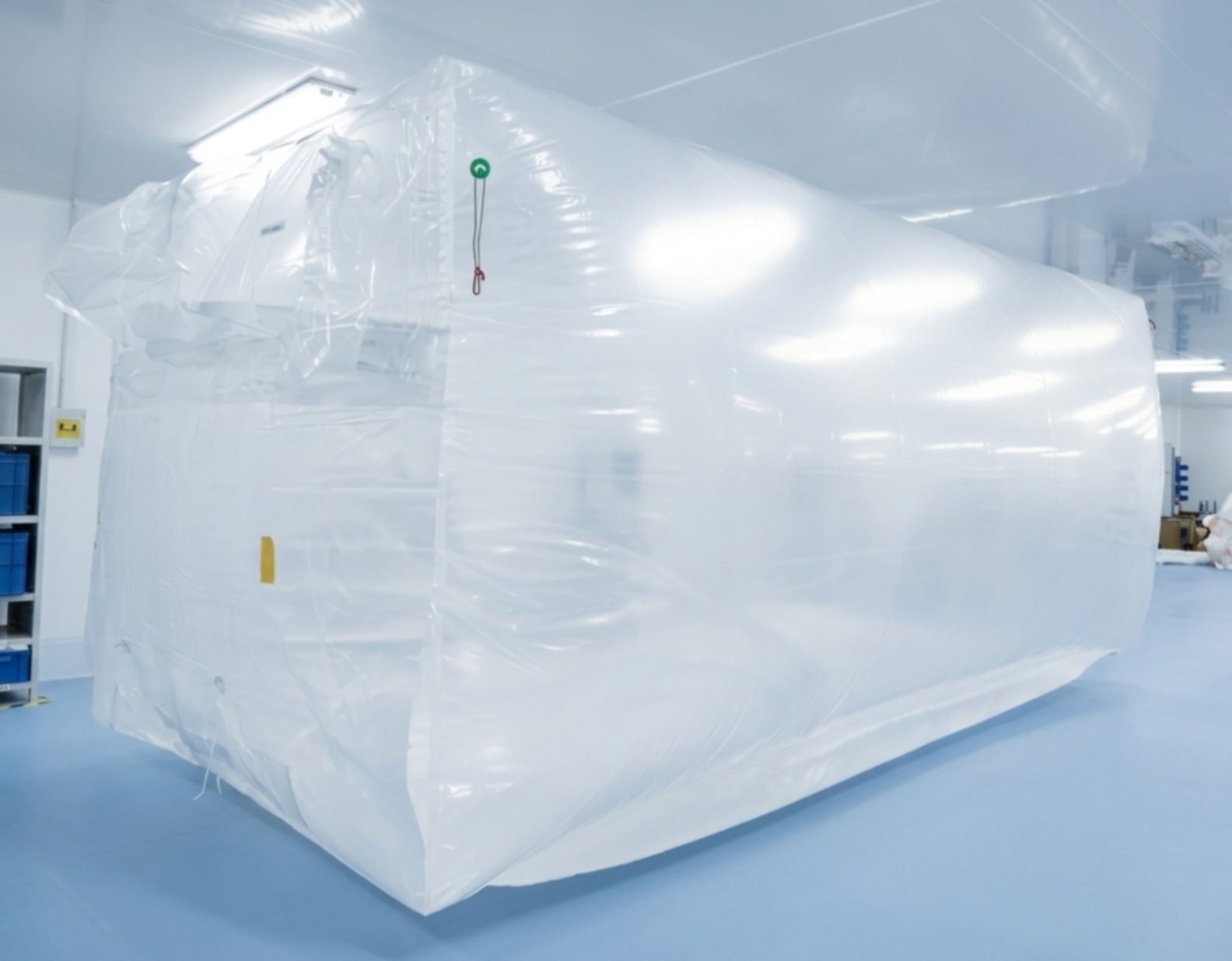
A dry bulk liner is a large flexible liner installed inside a standard container to protect and transport dry bulk cargo. It acts as an inner packaging system that separates cargo from the container walls while enabling bulk loading and discharge.
How It Works
The liner is fitted inside the container, secured properly, filled through designated loading points, transported to destination, and discharged using gravity, conveyor, pneumatic, or other suitable unloading systems depending on the cargo.
Why It Matters
Dry bulk liner helps reduce the need for many individual packaging units, improves loading capacity, lowers labor intensity, and creates a more efficient containerized supply chain for dry bulk cargo.
Why Businesses Choose Dry Bulk Liner
The main advantage of dry bulk liner is its ability to convert a standard shipping container into a bulk dry cargo transport unit. Traditional dry bulk logistics often depend on many bags, sacks, jumbo bags, or other separate packaging formats. This can create higher packaging costs, slower loading, more labor, and inefficient use of container space. Dry bulk liner simplifies the process by allowing large-volume cargo to be loaded directly into the container liner.
Maximum Container Space Utilization
Dry bulk liner allows cargo to occupy more of the container’s usable internal space compared with many individual packages. This helps improve payload efficiency and reduces wasted container volume.
Reduced Packaging Cost
Instead of using many small bags or multiple jumbo bags, a dry bulk liner can serve as one container-scale packaging solution. This can reduce material usage and simplify packing operations.
Lower Labor Requirement
Bulk loading and unloading can reduce manual handling compared with moving many individual cargo units. This supports faster operations and helps reduce labor-intensive warehouse work.
Faster Loading and Discharge
With proper loading and discharge equipment, dry bulk liner operations can be completed more efficiently than conventional bag-by-bag handling, improving turnaround time.
Cleaner Cargo Separation
The liner creates a protective barrier between the cargo and the container interior, helping maintain cargo cleanliness and reducing direct contact with container surfaces.
Efficient Containerized Logistics
Dry bulk liner supports integrated road, rail, and ocean transport using standard containers, making it practical for both domestic and international dry cargo supply chains.
Applicable Cargoes
Dry bulk liners are generally used for non-hazardous dry bulk cargo. Suitability depends on the product’s physical properties, particle size, moisture sensitivity, flow behavior, loading method, discharge method, and destination handling requirements.
Food and Agricultural Products
Examples may include soybean, coffee beans, fish meal, flour, starch, white granulated sugar, salt, livestock feed, grains, seeds, and other approved food or agricultural dry products.
Plastic Resins and Polymers
Dry bulk liner can be used for selected resin and polymer cargoes such as PVC, PP, PE, PET, PTA powder or resins, and other approved granular or powdered polymer materials.
Minerals and Industrial Powders
Suitable non-hazardous industrial dry cargo may include alumina powder, carbon black powder, mineral powders, additives, and other approved dry bulk materials.
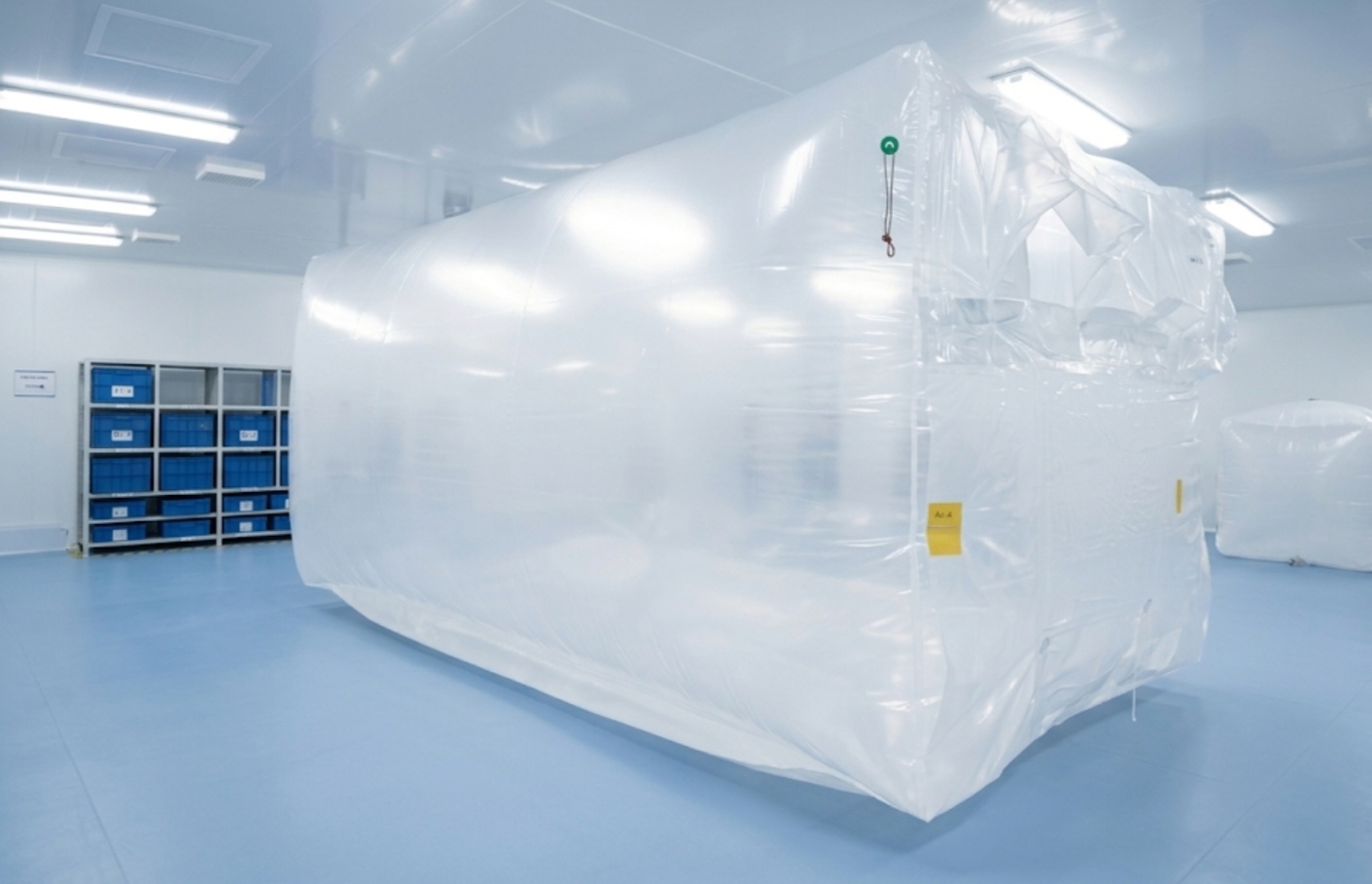
Each cargo should be evaluated before shipment. A dry bulk liner must match the cargo’s flow characteristics, moisture sensitivity, loading equipment, discharge system, and container transport conditions.
Dry Bulk Liner vs Traditional Bagged Cargo
| Comparison Point | Dry Bulk Liner | Small Bags | Jumbo Bags |
|---|---|---|---|
| Container Space Usage | Maximizes container interior space for bulk cargo | Space may be reduced by package shape and stacking gaps | Better than small bags but still limited by bag dimensions |
| Packaging Quantity | One liner system for one container load | Many individual bags required | Multiple jumbo bags required |
| Loading and Unloading | Bulk loading and discharge with suitable equipment | Manual or semi-manual handling of many units | Requires lifting, positioning, and bag handling |
| Labor Requirement | Lower labor intensity when systems are properly arranged | High labor intensity | Moderate labor and equipment requirement |
| Best Fit | Large-volume non-hazardous dry bulk cargo | Small orders or retail/secondary distribution | Medium to large cargo requiring individual bag units |
Main Operational Benefits of Dry Bulk Liner
- Transforms a standard container into a dry bulk cargo transport unit
- Maximizes container space utilization compared with many bagged cargo formats
- Reduces packaging material dependency
- Supports bulk loading and discharge operations
- Helps reduce labor-intensive manual handling
- Provides separation between cargo and container interior
- Suitable for many non-hazardous powders, granules, pellets, and dry commodities
- Supports efficient road, rail, and sea-linked dry bulk logistics
How the Dry Bulk Liner Process Works
1. Container Inspection
A suitable container is checked to ensure it is clean, dry, structurally sound, and appropriate for liner installation.
2. Liner Installation
The dry bulk liner is installed and secured inside the container according to the cargo type and loading method.
3. Bulk Loading
Cargo is loaded through the designated inlet system using suitable equipment such as conveyor, silo, gravity, or pneumatic loading.
4. Container Transport
The loaded container is transported through the logistics chain by truck, rail, and sea according to the shipment route.
5. Controlled Discharge
At destination, cargo is discharged through the liner outlet using gravity, tipping, conveyor, pneumatic, or other suitable systems.
6. Completion and Cleanup
After discharge, the liner is removed and the container can return to standard container use, subject to normal operational procedures.
Types of Dry Bulk Liner Applications
Dry bulk liner designs can vary depending on the cargo and operating environment. The right liner configuration should match the loading system, discharge method, container size, product sensitivity, and shipment destination.
Gravity Loading and Discharge
Suitable where cargo can flow naturally and equipment allows gravity-assisted movement.
Pneumatic Loading and Discharge
Useful for selected powders or granules that can be moved through air-assisted systems.
Conveyor Loading
Often used for grains, pellets, and granular materials loaded from processing or storage facilities.
Tilt or Tipping Discharge
Used where the container can be tilted to assist discharge into receiving systems.
Important Technical and Operational Considerations
Dry bulk liner can greatly improve cargo movement, but successful shipment depends on matching the liner design with the cargo and logistics process. Good planning is essential before loading begins.
- Cargo must be non-hazardous and suitable for dry bulk liner transport.
- Moisture sensitivity, particle size, flowability, and dust behavior should be evaluated.
- The liner design must match the loading and discharge equipment available.
- The container should be clean, dry, and suitable for liner installation.
- Destination discharge capability should be confirmed before shipment.
- Proper installation is important to avoid cargo leakage, liner damage, or operational delays.
- A reliable logistics partner helps ensure correct liner selection, installation, and shipment coordination.
Who Should Consider Dry Bulk Liner?
Dry bulk liner is especially useful for businesses moving large quantities of non-hazardous dry cargo and seeking better packaging efficiency, lower handling effort, and improved container utilization.
Manufacturers
For moving bulk powders, granules, pellets, or resins from production sites to buyers or distributors.
Exporters and Importers
For international dry bulk cargo shipments using standard containerized logistics.
Agricultural and Food Supply Chains
For approved products such as grains, flour, starch, sugar, salt, feed, and other dry food-related cargoes.
Polymer and Industrial Cargo Traders
For selected non-hazardous resins, pellets, industrial powders, and dry raw materials.
Frequently Asked Questions
Is a dry bulk liner the same as a flexitank?
No. A flexitank is used for non-hazardous bulk liquids, while a dry bulk liner is used for non-hazardous dry bulk cargo such as powders, granules, pellets, grains, and resins.
Can dry bulk liner reduce packaging cost?
Yes. In many suitable applications, dry bulk liner can reduce reliance on many individual bags or jumbo bags by using one liner system inside the container.
What container size is commonly used?
Dry bulk liners are commonly installed in standard 20-foot or 40-foot containers, depending on cargo density, loading volume, shipment requirements, and route suitability.
What cargoes are suitable?
Suitable cargoes may include selected non-hazardous food, agricultural, polymer, mineral, and industrial dry bulk products. Product suitability should always be checked before shipment.
What is the main value of dry bulk liner?
The main value is that it allows dry bulk cargo to be shipped in a standard container with better space utilization, less packaging dependency, and more efficient loading and unloading.
A Smarter Way to Move Dry Bulk Cargo
Dry bulk liner is more than a container accessory. It is a practical logistics solution that helps businesses move dry bulk cargo with better efficiency, cleaner separation, lower packaging intensity, and improved container utilization.
If your business exports or imports non-hazardous powders, granules, pellets, grains, resins, or dry commodities, dry bulk liner can provide a more efficient alternative to traditional bagged cargo methods.