
Flexitank Solutions
Flexitank Solutions for Efficient Bulk Liquid Transport
Flexitank is one of the most practical and cost-effective ways to transport large volumes of non-hazardous bulk liquid cargo in a standard 20-foot container. Designed for modern supply chains, flexitanks help businesses improve loading efficiency, reduce packaging waste, lower logistics costs, and move product safely across domestic and international routes.
A Smarter Alternative to Traditional Liquid Packaging
A flexitank is a high-capacity flexible liquid container installed inside a standard 20-foot shipping container. Once fitted and secured correctly, it transforms the container into a bulk liquid transport unit suitable for road, rail, and sea logistics. This solution is widely used by exporters, importers, manufacturers, traders, and logistics operators who need a more efficient alternative to drums, intermediate bulk containers, or other traditional liquid packaging methods.
For companies handling non-hazardous liquid products, flexitanks offer a strong balance of cargo capacity, operational simplicity, product protection, and supply chain efficiency. Instead of filling hundreds of small packages, a single flexitank allows cargo to be loaded in bulk, transported in one unit, and discharged at destination with less handling and fewer packaging-related complications.
What Is a Flexitank?
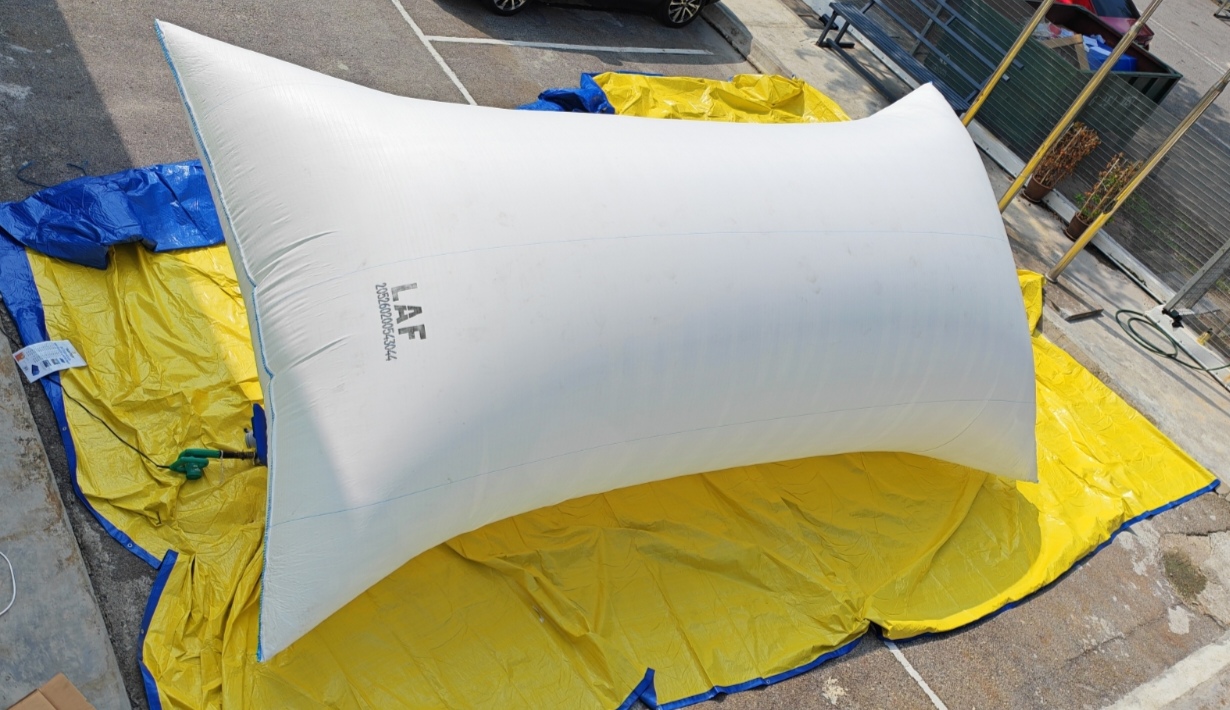
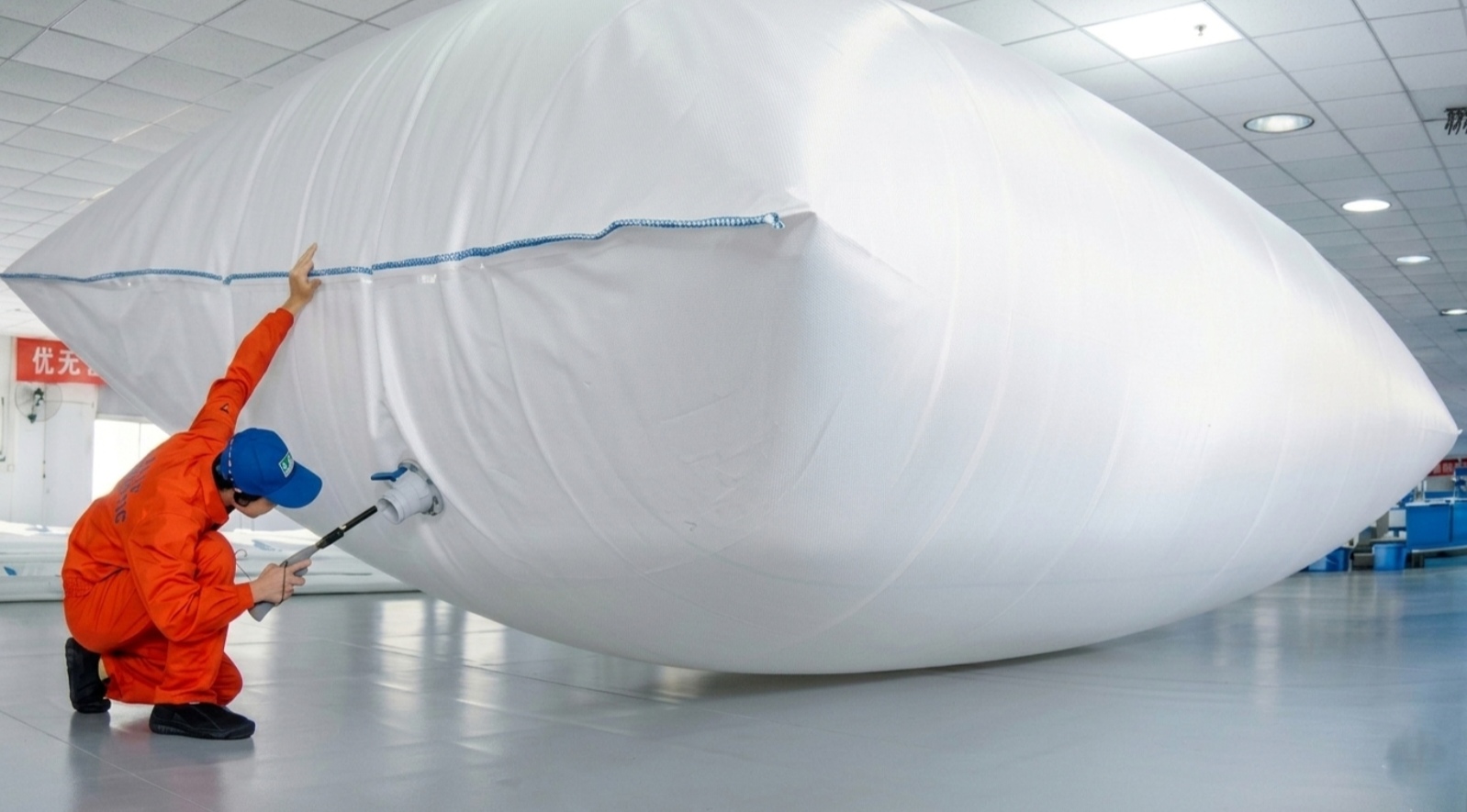
A flexitank is a multi-layer flexible bladder system designed to fit inside a standard container for the storage and transportation of non-hazardous bulk liquids. It is equipped with loading and discharge valves and is installed with supporting materials that help stabilize the cargo during transit.
How It Works
The flexitank is fitted inside the container, filled through a valve system, transported to destination, and then discharged through a controlled unloading process. This converts an ordinary shipping container into a highly efficient bulk liquid transport solution.
Why It Matters
Flexitanks help reduce unnecessary packaging, improve cargo volume utilization, minimize handling points, and streamline bulk liquid logistics for businesses that want reliable performance and better overall shipping efficiency.
Why Businesses Choose Flexitank
The strongest advantage of flexitank transport is not just that it carries liquid. It is that it helps businesses rethink the entire logistics process. Traditional methods often require many separate units, repeated handling, more labor, and greater complexity during loading, unloading, storage, and disposal. Flexitank simplifies this model by consolidating bulk liquid cargo into one transport-ready system.
Higher Payload Efficiency
A flexitank allows a standard 20-foot container to carry a large volume of liquid cargo in bulk form, improving utilization of container space and reducing the need for multiple smaller packages.
Lower Packaging Cost
Compared with drums, IBCs, and other traditional packaging methods, flexitanks can reduce the number of individual packaging units required, lowering packaging material costs and handling expenses.
Reduced Loading and Unloading Time
Bulk filling and controlled discharge help shorten operational time compared with loading many individual drums or containers, supporting faster turnaround and smoother warehouse or port operations.
Improved Logistics Simplicity
Flexitank consolidates product into one system, which can reduce complexity across storage, container stuffing, inventory movement, discharge planning, and transport coordination.
Wider Container Availability
Because flexitanks use standard 20-foot containers, businesses can often benefit from the broad availability of conventional shipping equipment in global logistics networks.
Less Packaging Waste
By replacing many individual units with one bulk liner system, flexitank can support cleaner operations and help reduce waste associated with traditional packaging formats.
Applicable Cargoes
Flexitanks are generally used for non-hazardous bulk liquids. Suitability always depends on product characteristics, destination requirements, transport conditions, and operational handling procedures. Typical cargo groups include the following:
Food-Related Liquids
Examples may include edible oils, liquid sugar, syrups, concentrates, sauces, and other approved food-grade liquid products where bulk transport efficiency is important.
Industrial Oils
Certain non-hazardous industrial oils, lubricants, base oils, and related liquid materials may be transported using flexitank systems, subject to product compatibility and handling requirements.
Non-Hazardous Chemical Liquids
Selected chemical products such as detergents, liquid additives, glycols, latex-type materials, and other approved non-hazardous liquids may be suitable depending on technical evaluation.
Flexitank Installation
Every cargo should be evaluated carefully before shipment. Product compatibility, viscosity, filling temperature, discharge behavior, route conditions, and regulatory requirements all matter when determining whether flexitank is the right solution.
Flexitank vs Traditional Packaging
| Comparison Point | Flexitank | Drums / IBCs / Small Units | ISO Tank |
|---|---|---|---|
| Container Type | Installed inside standard 20-foot container | Multiple separate packages loaded into container | Specialized tank container |
| Handling Complexity | Bulk loading and discharge in one system | Higher handling due to many individual units | Bulk system but specialized equipment scheduling may apply |
| Packaging Requirement | Single liner-based bulk solution | Many drums or IBC units required | No inner packaging, but specialized tank use required |
| Operational Cost Structure | Often attractive for non-hazardous bulk liquid programs | Can be more costly due to packaging and handling intensity | May involve tank-related rental, positioning, or cleaning considerations |
| Best Fit | Non-hazardous bulk liquid export and import flows | Smaller lot sizes or fragmented packaging needs | Cargoes needing dedicated tank-container logistics |
Main Operational Benefits of Flexitank
- Efficient use of a standard shipping container for bulk liquid transport
- Reduced dependency on hundreds of smaller packaging units
- Simplified loading and unloading workflow
- Potential reduction in labor, handling, and packaging-related costs
- Suitable for road, rail, and ocean-linked logistics programs
- Helps streamline warehouse movement and outbound coordination
- Supports cleaner bulk liquid shipping operations
- A practical option for businesses seeking scalable non-hazardous liquid export solutions
How the Flexitank Process Works
1. Container Preparation
A suitable standard 20-foot container is inspected and prepared for installation.
2. Flexitank Installation
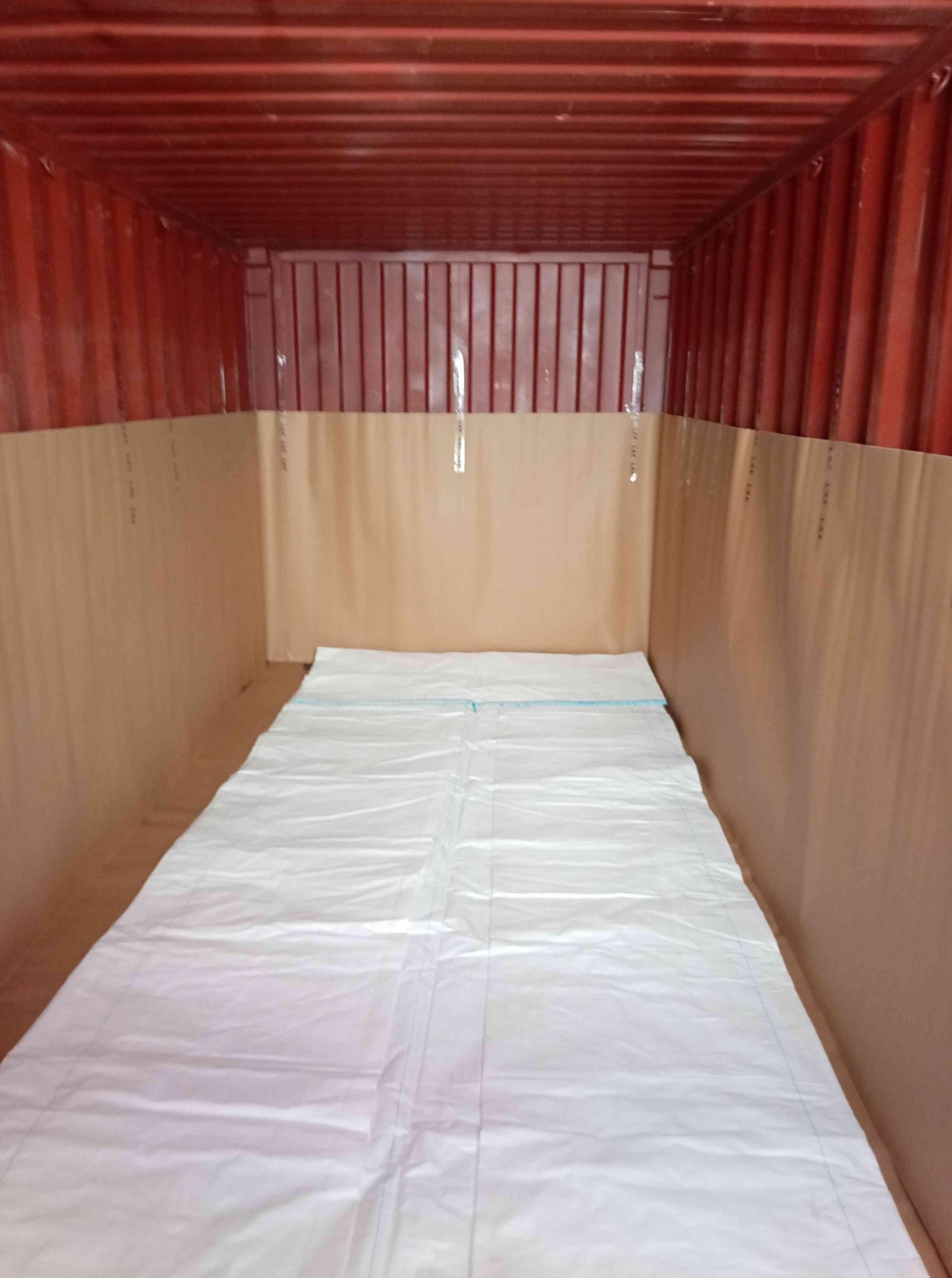
The flexitank and required securing materials are installed properly inside the container.
3. Bulk Loading
The liquid cargo is pumped into the tank through the valve system under controlled procedures.
4. Transport
The loaded container moves through the logistics chain by truck, rail, and sea as required.
5. Controlled Discharge
At destination, the product is discharged using proper unloading procedures and equipment.
6. Post-Shipment Handling
The process is completed with site handling, disposal workflow, and operational closeout as applicable.
Who Should Consider Flexitank?
Flexitank is especially suitable for businesses that regularly move non-hazardous liquid cargo in larger volumes and want a more streamlined shipping model. It is commonly relevant for:
Manufacturers
For direct plant-to-customer or plant-to-distributor bulk liquid movement.
Exporters and Importers
For cross-border shipments requiring efficient containerized liquid transport.
Commodity Traders
For scalable, practical movement of approved liquid products between markets.
Food and Industrial Supply Chains
For bulk liquid programs where efficiency, cleanliness, and logistics control are priorities.
Important Technical and Operational Considerations
Flexitank is a highly effective bulk liquid packaging solution, but good results depend on correct product selection, correct installation, proper loading conditions, and disciplined handling procedures across the supply chain.
- Cargo compatibility must always be checked before use.
- Only non-hazardous liquid products suitable for flexitank transport should be considered.
- Container condition, route planning, and terminal acceptance policies matter.
- Filling method, temperature, viscosity, and discharge requirements should be assessed carefully.
- Installation and loading should be carried out by trained personnel following approved procedures.
- A reliable logistics partner is important for smooth execution from origin to destination.
Frequently Asked Questions
Is flexitank only for sea freight?
No. Flexitank solutions can support integrated logistics involving road, rail, and sea transport, provided the shipment setup, route, and handling process are suitable.
What kind of products can be shipped in a flexitank?
Flexitanks are generally used for approved non-hazardous bulk liquids such as selected food liquids, industrial oils, and certain chemical liquids. Each product should be checked for compatibility and shipment suitability before use.
Why do companies choose flexitank over drums or IBCs?
Many companies choose flexitank because it can reduce packaging intensity, simplify handling, improve bulk loading efficiency, and support more economical liquid transport programs.
What is the main value of flexitank?
The main value of flexitank is that it turns a standard shipping container into a practical bulk liquid transport unit, helping businesses move more product with a simpler and more efficient packaging model.
Need to Know Whether Flexitank Is Suitable for Your Cargo?
Flexitank is not just packaging. It is a logistics solution that helps businesses improve bulk liquid transport performance from origin to destination. When selected and handled properly, it can reduce packaging burden, improve operational efficiency, and support a more streamlined international shipping process.
If your business exports or imports non-hazardous liquid cargo and you are looking for a more efficient alternative to conventional packaging methods, our team can help you review cargo suitability, route requirements, loading conditions, and discharge planning before your next shipment.
Move More Liquid with Less Complexity
Speak with LAF Flexitank Services Sdn Bhd to find out whether flexitank can improve your payload efficiency, reduce packaging and handling costs, and simplify your non-hazardous bulk liquid transport.
Our team can help review your cargo type, shipment route, volume, loading method, and discharge needs so you can make a better logistics decision with confidence.