
IBC Liner Solutions
IBC Liner for Bulk Liquid Storage and Transportation
IBC Liner is a practical inner packaging solution designed for the storage and transportation of food-grade and non-hazardous liquid cargo. It helps businesses protect product quality, reduce cleaning requirements, improve handling efficiency, and use intermediate bulk containers more economically.
Cleaner Liquid Handling with Flexible Inner Protection
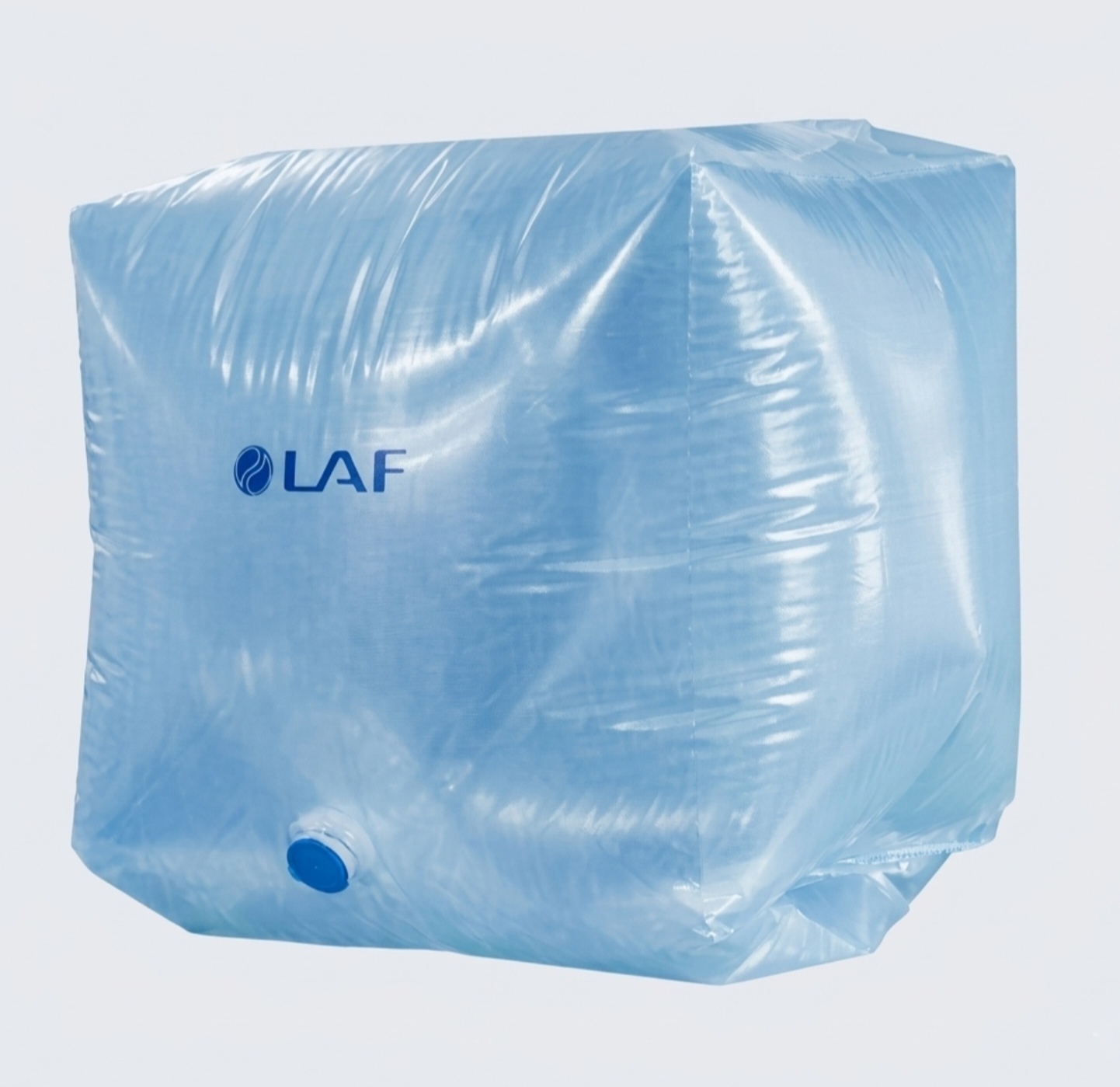
An IBC liner is a flexible inner bag placed inside an intermediate bulk container. It acts as a protective barrier between the cargo and the container body, helping to reduce direct product contact with the container surface. This is especially useful when companies need cleaner handling, easier discharge, and lower cleaning or disposal costs.
IBC liners can be used with different intermediate bulk container formats, including collapsible cartons, collapsible plastic boxes, iron drums, metal containers, and other compatible IBC systems. For businesses that handle recurring shipments of non-hazardous liquid products, IBC liner provides a flexible way to improve logistics, storage, and distribution efficiency.
What Is an IBC Liner?
An IBC liner is a flexible liner bag installed inside an IBC to hold liquid cargo. It provides inner containment and helps keep the cargo separated from the outer container structure.
How It Works
The liner is placed inside the IBC, filled through a suitable inlet or valve system, transported or stored, and then discharged through a controlled outlet system. After use, the liner can be replaced while the outer container remains reusable.
Why It Matters
IBC liners reduce the need for intensive container cleaning, help protect the cargo, simplify handling, and support more efficient use of collapsible and reusable IBC packaging systems.
Ideal Applications
IBC liners are widely used for food-grade liquids, non-hazardous chemicals, liquid ingredients, industrial fluids, and distribution programs where cleanliness, product protection, and operational efficiency are important.
Key Advantages of IBC Liner
The main value of an IBC liner is that it allows businesses to use the outer IBC more efficiently while replacing only the inner liner after discharge. This improves cleanliness, lowers handling burden, and supports more flexible liquid logistics.
Lower Cleaning Cost
With an IBC liner, the cargo contacts the liner instead of the container body. After discharge, the liner can be removed and replaced, reducing the need for expensive and time-consuming container cleaning.
Reduced Disposal Burden
Instead of disposing of or cleaning a full rigid container, businesses can manage the used liner separately, helping simplify post-discharge handling and reduce operational complexity.
Better Cargo Protection
The liner creates a clean inner barrier, helping protect suitable food-grade and non-hazardous liquid cargo from direct contact with the IBC body.
Lower Capital Pressure
When used with collapsible IBC systems, liners can help reduce reliance on expensive rigid packaging fleets and improve flexibility during peak and off-peak seasons.
Warehousing Efficiency
IBC liners work especially well with collapsible IBC packaging because the outer container can be folded after use, helping save warehouse space and storage cost.
Flexible Distribution
IBC liner solutions can support storage, delivery, and distribution of liquid cargo in practical unit sizes, making them useful for supply chains that do not require full flexitank volume.
Product Series and Material Options
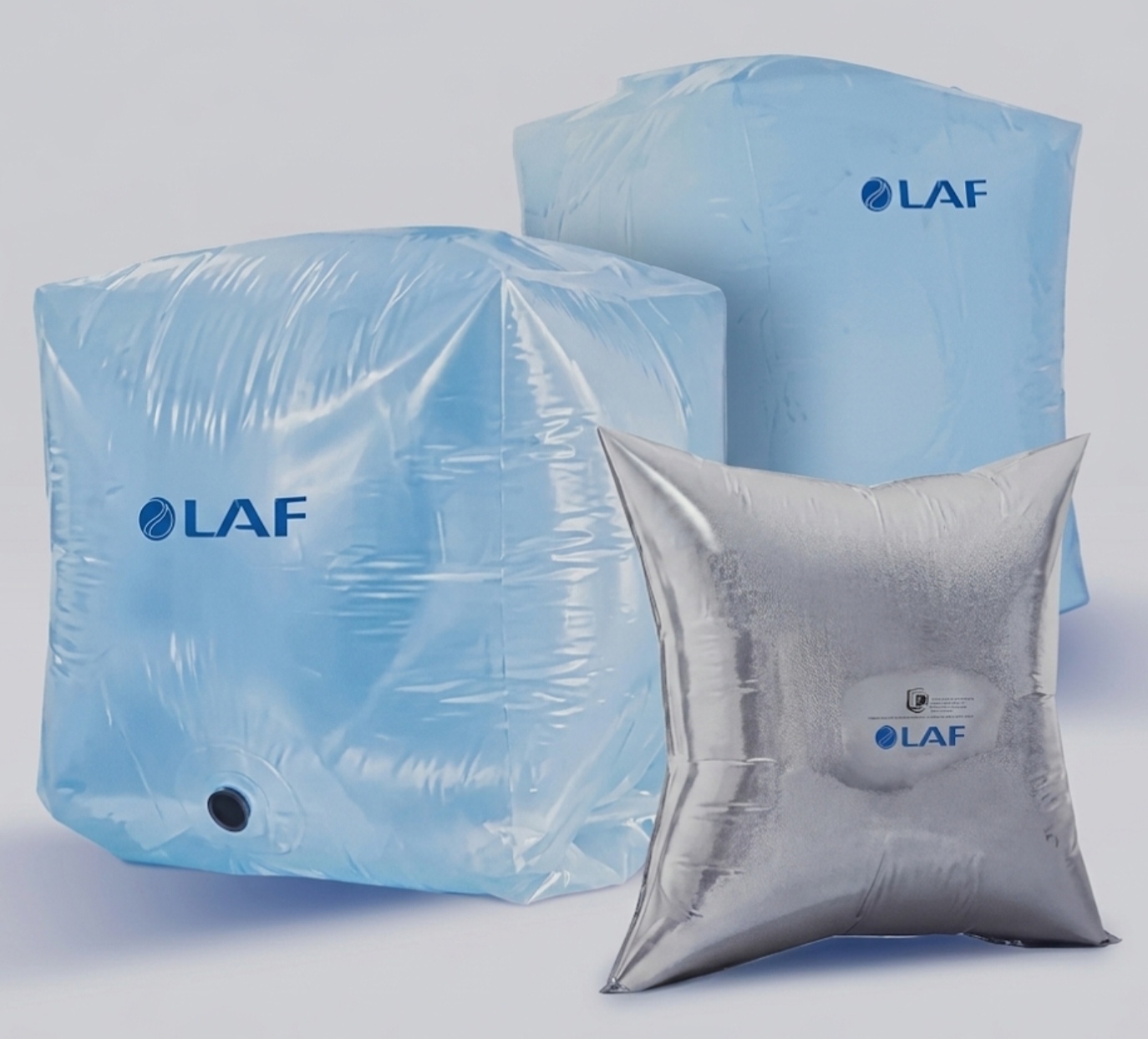
Different liquid products require different liner structures. LAF IBC liner solutions can be supplied in standard, barrier, and high-temperature resistant designs, depending on cargo characteristics, filling temperature, shelf-life requirement, oxygen sensitivity, discharge method, and container type.
Standard Type
Typical volume: 220L to 1000L
Typical material: PE
Suitable for selected paste, gel, and liquid cargo such as tomato paste, food additives, avocado oil, and other compatible products.
Barrier Type
Typical volume: 220L to 1000L
Typical material: AL, EVOH, PE
Designed for cargo that may require stronger protection against external factors, including fruit and vegetable concentrates, alcoholic and non-alcoholic beverages, dairy products, and condiments.
High-Temperature Resistant Type
Typical volume: 1000L to 1400L
Typical material: Nylon, PE
Suitable for selected high-temperature filled products such as coconut oil, syrups, apple juice, and other compatible products requiring temperature-aware packaging design.
LAF IBC Liners
Compatible Container Options
A major advantage of IBC liner packaging is compatibility with multiple container formats. This helps businesses adapt one inner packaging concept to different operational needs, shipment sizes, warehouse systems, return logistics models, and discharge environments.
| Compatible Container | Description | Operational Value |
|---|---|---|
| Collapsible Paper IBC | Paper-based collapsible IBC format used with suitable inner liner protection. | Useful where lower storage volume and cleaner one-way or export handling are important. |
| Turnover Box | Plastic or metal collapsible turnover box for repeated handling and distribution cycles. | Supports reusable logistics while the liner provides clean inner containment. |
| Bottle-in-Cage IBC Tote | Plastic bottle-in-cage IBC tote structure commonly used for liquid handling. | Helps reduce direct product contact with the container body and simplify cleaning requirements. |
| Iron Drum | Open-top iron drum format, commonly around 200L to 220L capacity. | Suitable for smaller bulk liquid units where a liner can support cleaner handling and reduced residue concerns. |
Suitable Applications
IBC liners are generally suitable for food-grade and non-hazardous liquid products. They are commonly used where businesses need clean containment, flexible storage, practical distribution, and reduced cleaning work.
Food-Related Liquids
Suitable for approved food-grade liquid products where clean inner packaging and controlled discharge are important.
Non-Hazardous Liquid Chemicals
Suitable for selected non-hazardous chemical liquids, subject to product compatibility, liner material suitability, and handling requirements.
Storage and Distribution
Useful for companies that need intermediate-volume liquid storage and delivery without relying entirely on drums or rigid IBC systems.
Export and Supply Chain Operations
An excellent solution for manufacturers, exporters, distributors, and logistics operators seeking cleaner handling, reduced packaging waste, and more efficient movement of liquid products through regional and international supply chains.

Product suitability should always be checked before use. Cargo characteristics, filling temperature, viscosity, discharge method, liner material, valve design, and storage conditions should all be reviewed.
Common Cargo Categories for IBC Liners
IBC liner suitability depends on cargo compatibility, filling conditions, regulatory requirements, and discharge behavior. Common product categories include paste, gel, liquid ingredients, edible oils, concentrates, beverages, dairy-related products, condiments, and selected non-hazardous industrial liquids.
Edible Oils
Examples include avocado oil, coconut oil, and other compatible food-grade oils.
Fruit Products
Examples include fruit juice, apple juice, fruit concentrate, and vegetable concentrate.
Food Ingredients
Examples include tomato paste, food additives, syrups, condiments, and compatible liquid ingredients.
Beverages and Dairy
Selected alcoholic beverages, non-alcoholic beverages, and dairy products may require barrier or specialized liner structures.
IBC Liner vs Traditional Rigid IBC
| Comparison Point | IBC Liner with Collapsible IBC | Traditional Solid IBC | Business Impact |
|---|---|---|---|
| Capital Investment | Can reduce dependence on owned rigid IBC fleets | Higher investment in rigid containers | Improves flexibility and cash flow |
| Warehousing Cost | Collapsible system saves space after use | Rigid IBC takes up space even when empty | Reduces storage pressure |
| Delivery and Distribution | Foldable outer packaging can reduce return volume | Empty rigid IBC still requires large return space | Helps lower return logistics cost |
| Cleaning and Disposal | Replace inner liner after use | Container cleaning may be required | Reduces cleaning time and cost |
| Operational Flexibility | Useful for seasonal or changing demand | More fixed asset commitment | Better for variable shipment volumes |
Spouts, Valves, and Discharge Design
The inlet and outlet design of an IBC liner affects filling speed, discharge control, residue level, operator convenience, and equipment compatibility. A suitable selection of top spouts and bottom spouts can be provided according to application needs.
Top Spout Options
Top spouts are used for filling and product access. Different diameter options may be selected according to the filling machine, product viscosity, and process requirement.
Bottom Spout Options
Bottom spouts support controlled discharge. Options may include spigot-style discharge and butterfly valve configurations, depending on cargo and unloading method.
Customized Port Position
Inlet and outlet position can be matched to the IBC structure and customer process, helping reduce handling difficulty during filling, storage, and discharge.
LAF IBC Liners

Main Operational Benefits of IBC Liner
- Provides clean inner containment for suitable liquid cargo
- Reduces direct contact between cargo and container body
- Helps reduce cleaning cost after discharge
- Supports reusable and collapsible IBC systems
- Improves warehouse and return logistics efficiency
- Suitable for intermediate-volume storage and delivery
- Can be customized for different IBC structures and valve requirements
- Offers different liner structures, including standard, barrier, and high-temperature resistant types
- Supports multiple container formats, including paper IBCs, turnover boxes, IBC totes, and open-top iron drums
- Supports cleaner, simpler, and more flexible liquid logistics
How the IBC Liner Process Works
1. IBC Selection
A suitable IBC structure is selected, such as collapsible carton, collapsible plastic box, metal container, or other compatible system.
2. Liner Installation
The liner is placed inside the IBC and arranged correctly so that inlet, outlet, and valve positions match the filling and discharge requirements.
3. Filling
The product is filled into the liner through the designated opening or valve system using suitable filling equipment.
4. Storage or Transport
The filled IBC is stored, handled, or transported according to product and logistics requirements.
5. Discharge
The liquid is discharged through the outlet system with controlled handling to reduce residue and improve operational efficiency.
6. Liner Replacement
After use, the liner is removed and replaced while the outer IBC can be reused or collapsed for storage and return logistics.
Quality, Compliance, and Manufacturing Strength
For food-grade and export-oriented liquid logistics, the quality of the liner is as important as the container itself. LAF IBC liner solutions are supported by manufacturing controls, clean workshop practices, automated production capability, and recognized quality or compliance certifications.
Food-Grade Focus
Designed to support food-grade liquid applications where clean contact surfaces, controlled handling, and cargo protection are important.
Clean Workshop
Clean production practices help reduce contamination risk and support more reliable packaging performance for sensitive cargo.
Automated Manufacturing
Automated production improves consistency and supports large-scale supply, with annual inner liner capacity of up to 600,000 units.
Recognized Certifications
Available certification support may include FSC, Halal, Kosher, ISO 9001, and ISO 14001, depending on product scope and documentation requirements.
Important Technical and Operational Considerations
IBC liner performance depends on correct liner design, product compatibility, filling method, valve selection, and proper handling. Before using an IBC liner, the full application should be reviewed carefully.
- Cargo must be food-grade or non-hazardous and suitable for liner containment.
- Liner material must be compatible with the product.
- Valve and outlet design should match the filling and discharge method.
- The outer IBC must provide sufficient support for the filled liner.
- Filling temperature, viscosity, and storage duration should be considered.
- Barrier material may be needed for oxygen-sensitive or shelf-life-sensitive cargo.
- High-temperature resistant liner design may be required for hot-filled products.
- Operators should follow proper filling, handling, and discharge procedures.
- Custom liner design may be required for specific container structures or cargo requirements.
Frequently Asked Questions
Is an IBC liner the same as an IBC?
No. The IBC is the outer container structure, while the IBC liner is the inner flexible bag that holds the cargo inside the IBC.
Can IBC liners reduce cleaning cost?
Yes. Since the cargo is contained inside the liner, the outer IBC may require less cleaning after discharge compared with direct product contact.
Can IBC liners be customized?
Yes. IBC liners can be customized according to container size, inlet and outlet position, valve type, filling method, discharge method, and cargo requirements.
What cargoes are suitable?
IBC liners are generally suitable for selected food-grade and non-hazardous liquid products, subject to liner material compatibility and operational requirements.
Why use IBC liner with collapsible IBC?
The liner protects the cargo and simplifies cleaning, while the collapsible IBC helps reduce storage and return logistics volume after discharge.
What is the difference between standard, barrier, and high-temperature IBC liners?
Standard liners are suitable for many compatible paste, gel, and liquid cargoes. Barrier liners provide additional protection for sensitive products. High-temperature resistant liners are designed for selected hot-filled products where filling temperature must be considered.
Can IBC liners be used with drums?
Yes, selected liner designs can be used with compatible open-top iron drums, commonly around 200L to 220L, subject to liner design, product compatibility, and handling requirements.
Not Sure Whether IBC Liner Fits Your Product?
IBC Liner helps businesses improve liquid cargo handling by combining inner product protection with reusable or collapsible outer packaging. It reduces cleaning burden, improves operational flexibility, and supports more efficient storage and distribution.
For companies handling food-grade or non-hazardous liquid cargo in intermediate volumes, IBC liner offers a practical way to improve packaging performance and reduce unnecessary logistics costs. Our team can help you review product compatibility, liner material, valve design, filling method, and discharge requirements before use.
Improve Liquid Handling with Cleaner Inner Packaging
Speak with LAF Flexitank Services Sdn Bhd to find out whether IBC liner can reduce cleaning cost, improve product protection, and support more flexible liquid storage and distribution.
Our team can help review your cargo type, IBC structure, filling process, discharge method, storage conditions, and logistics requirements so you can choose the right IBC liner solution with confidence.
Whether you handle food-grade liquids, non-hazardous chemicals, intermediate-volume storage, or recurring distribution programs, LAF is ready to help you identify a cleaner, more practical, and more cost-effective packaging solution.