
Flexitank FAQ • 24,000L Capacity • Bulk Liquid Logistics
Frequently Asked Questions About Flexitanks
Practical answers for businesses moving bulk liquid cargo in Malaysia, Southeast Asia, and international trade lanes.
LAF Flexitank Services Sdn Bhd supports companies that need a safer, more efficient, and commercially practical way to move non-hazardous bulk liquids. This FAQ page explains how flexitanks work, when they are suitable, what customers should prepare, and why choosing the right flexitank partner matters.
Flexitank Basics
What is a flexitank?
A flexitank is a large flexible liquid storage bag installed inside a standard shipping container, usually a 20-foot container. It converts the container into a bulk liquid transport unit, allowing suitable liquid cargo to be shipped without using drums, IBCs, or ISO tanks.
What is the difference between a flexitank and a flexibag?
In many commercial discussions, flexitank and flexibag are used closely together. A flexitank usually refers to the complete bulk liquid packaging system installed inside a container, while flexibag may refer to the flexible bag component itself. For most customers, both terms point to flexible bulk liquid packaging for containerized transport.
What products can be transported using flexitanks?
Flexitanks are commonly used for suitable non-hazardous bulk liquids, including food-grade liquids, industrial liquids, edible oils, liquid additives, certain chemicals, and other compatible liquid cargoes. Suitability depends on the cargo’s characteristics, temperature requirements, handling conditions, and regulatory classification.
Are flexitanks suitable for hazardous cargo?
No. Flexitanks are generally intended for non-hazardous liquid cargo. Hazardous goods require different packaging, transport procedures, documentation, and regulatory controls. Customers should always confirm cargo classification before choosing any bulk liquid transport solution.
How Big Is a Flexitank?
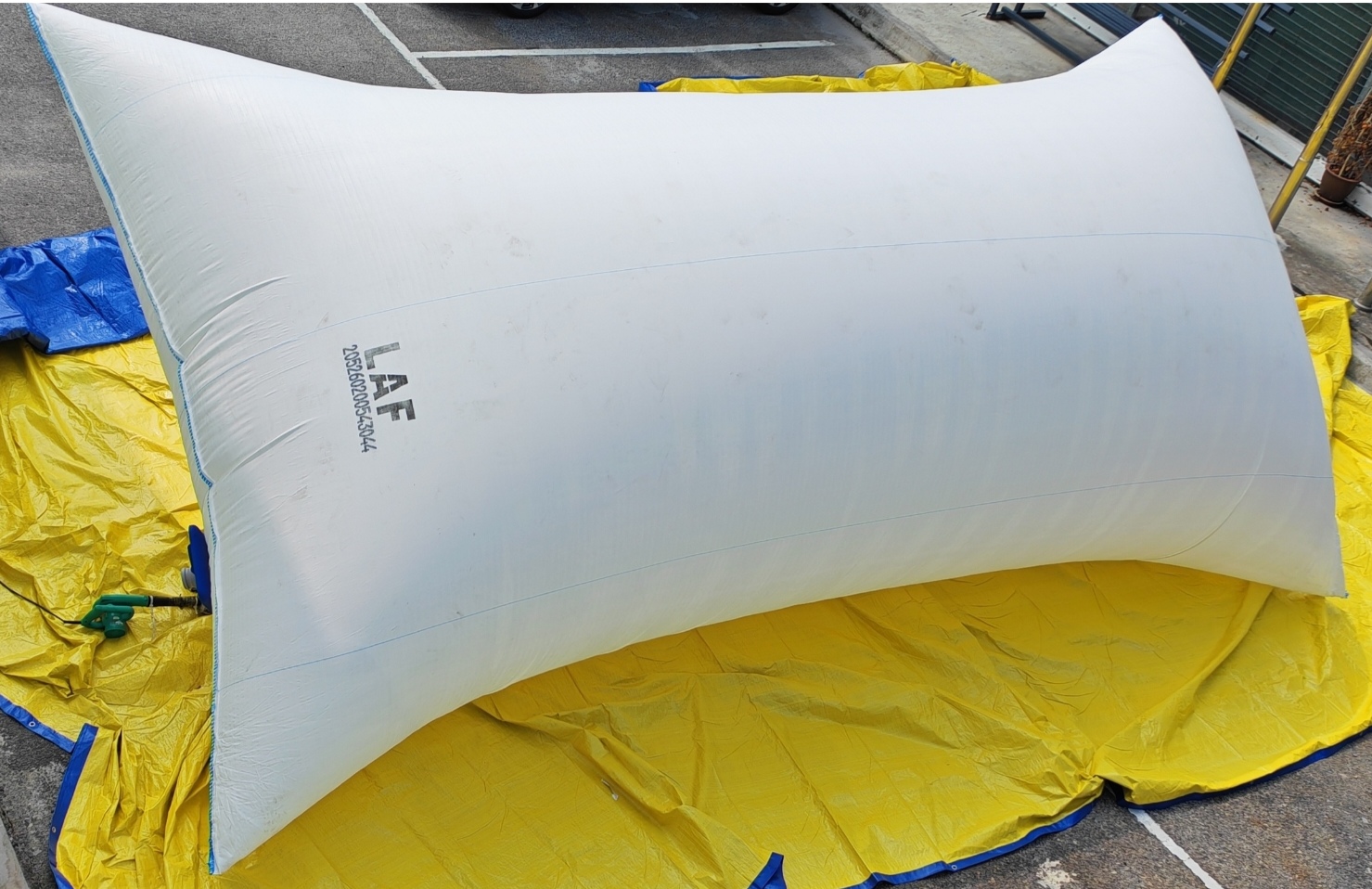
A flexitank can look surprisingly large when it is inflated outside a container. In the photo, the size can be understood by comparing it with the nearby cars and motorcycles. The inflated flexitank occupies a wide area and is long enough to visually resemble the footprint of a standard container-based bulk liquid system.
This is because a flexitank is designed to hold a large volume of liquid inside a standard 20-foot container. When properly installed, it uses the container’s internal space to carry bulk liquid cargo efficiently, instead of relying on many smaller drums or IBC units.

What Does 24,000L Flexitank Mean?
A 24,000L flexitank means the flexitank is designed for a nominal liquid capacity of approximately 24,000 litres, subject to cargo suitability, density, route requirements, container condition, and operational procedures. In practical logistics terms, this allows suitable non-hazardous liquid cargo to be moved in bulk inside one standard container.
This is one of the reasons many businesses consider flexitanks as an alternative to drums, IBCs, or other smaller packaging units. Instead of managing many individual packages, a customer can move suitable bulk liquid cargo in one large flexible containment system.
What Is an Empty Flexitank?
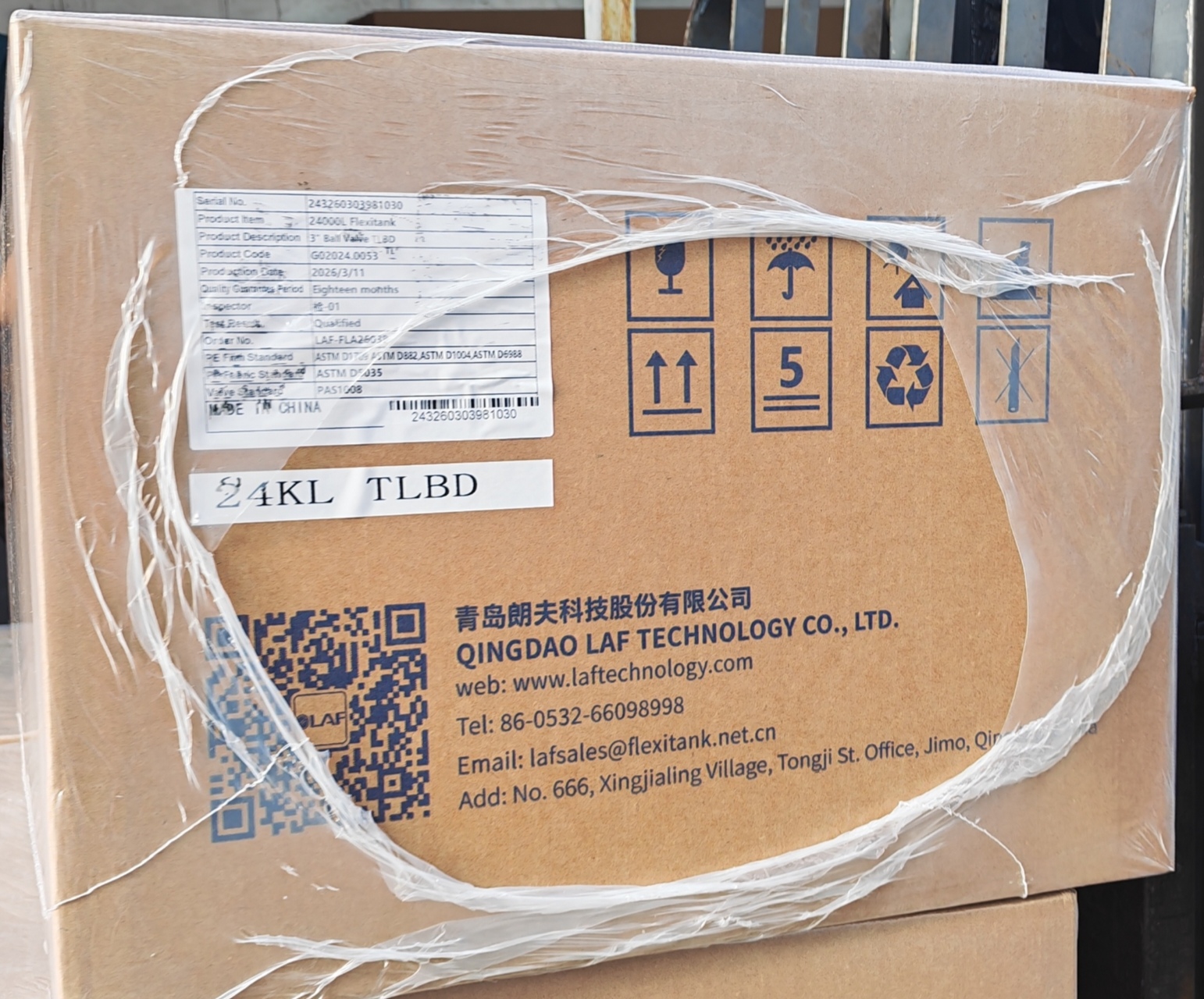
An empty flexitank is the flexible liquid containment bag before it is loaded with cargo. Before installation and filling, the flexitank is foldable, movable, and packed for transport. Once installed inside a suitable container and filled with liquid cargo, it becomes a large-volume bulk liquid transport system.
The empty flexitank stage is important because inspection, product verification, correct handling, and proper installation all affect shipment performance. A flexitank may look simple, but safe bulk liquid logistics depends on choosing the correct unit, preparing the container properly, and following the correct installation and loading procedures.

Business Benefits
Why should a company use a flexitank instead of drums or IBCs?
A flexitank can help reduce packaging complexity, improve payload efficiency, reduce manual handling, and simplify loading and discharge operations. Compared with drums or IBCs, a flexitank may allow more liquid cargo to be shipped in one container, which can improve logistics efficiency and reduce cost per unit shipped.
Can flexitanks reduce logistics costs?
Yes, in many suitable shipments, flexitanks can reduce costs by maximizing container payload, reducing the need for returnable packaging, lowering handling requirements, and simplifying the transport process. Actual savings depend on product type, route, cargo volume, container availability, loading method, and discharge requirements.
How does a flexitank improve payload efficiency?
A flexitank uses the internal space of a standard container more efficiently for liquid cargo. Instead of shipping many separate drums or IBC units, the liquid is loaded into one large flexible system, helping the shipper move a higher volume of compatible liquid cargo in a single container.
Safety, Quality, and Cargo Protection
Are flexitanks safe for bulk liquid transport?
Flexitanks can be a safe and reliable solution when the correct flexitank is selected, the cargo is compatible, the container is properly inspected, the flexitank is correctly installed, and loading procedures are properly followed. Safety depends not only on the product, but also on operational discipline and supplier experience.
Why is container inspection important before flexitank installation?
The container must be suitable for flexitank use. Sharp edges, damaged flooring, protrusions, contamination, holes, weak doors, or structural defects can increase the risk of cargo loss or operational failure. Proper inspection helps protect the cargo, the container, and the shipment.
What are common causes of flexitank shipment problems?
Common causes include unsuitable cargo, poor container condition, incorrect installation, overloading, improper loading speed, inadequate securing, temperature-related issues, weak communication among parties, or failure to follow loading and discharge instructions. A good logistics partner helps reduce these risks before shipment begins.
Food-Grade, Halal, and Kosher Considerations
Can flexitanks be used for food-grade cargo?
Yes. Food-grade flexitanks are widely used for suitable edible oils, food ingredients, beverages, and other food-related liquid products. Customers should confirm product compatibility, hygiene requirements, previous handling restrictions, and certification needs before shipment.
Does LAF support Halal-sensitive liquid logistics?
LAF-related packaging solutions may support customers who require Halal-sensitive supply chain controls, depending on the product, certification requirements, and documentation needed. For food and ingredient exporters, Halal compliance can be important for Muslim consumer markets, especially in Malaysia, Indonesia, and other international destinations.
Does LAF support Kosher-sensitive shipments?
Yes, Kosher-sensitive logistics may be relevant for customers transporting food-grade or ingredient cargo into markets where Kosher assurance matters. The purpose of Kosher-related certification is to support product integrity, supply chain confidence, and customer requirements in food logistics.
Operations and Shipment Preparation
What information should customers provide before a flexitank shipment?
Customers should provide the product name, cargo classification, Safety Data Sheet if applicable, loading temperature, viscosity, density, expected volume, origin and destination, loading method, discharge method, container requirements, and any food-grade, Halal, Kosher, or documentation requirements.
Where can flexitank services be supported in Malaysia?
LAF Flexitank Services Sdn Bhd is positioned to support customers through key Malaysian logistics gateways including Port Klang, Johor Port in Pasir Gudang, Kuantan Port, and Penang Port. These locations help serve businesses involved in regional and international trade.
Can LAF supply flexitanks across Southeast Asia?
Yes. LAF Flexitank Services Sdn Bhd is not limited to Malaysia and also distributes flexitank solutions to customers in Indonesia, Thailand, and other Southeast Asian countries. This regional presence allows businesses to source reliable flexitank systems for bulk liquid transport across multiple markets. Flexitanks can then be used for suitable non-hazardous liquid shipments within Southeast Asia, provided the cargo is compatible and the shipment is properly planned.
Choosing the Right Flexitank Partner
Why choose LAF Flexitank Services Sdn Bhd?
LAF Flexitank Services Sdn Bhd focuses on helping businesses move bulk liquids smarter, with attention to cargo suitability, operational risk, packaging efficiency, and practical shipment support. As part of the wider LAF network, the company is connected to experience in flexitanks, dry bulk liners, IBC liners, and bulk logistics packaging solutions.
What makes Qingdao LAF Technology Co., Ltd. important to LAF’s offering?
Qingdao LAF Technology Co., Ltd. is a global provider of bulk liquid and dry goods logistics packaging solutions, including flexitanks, dry bulk liners, and IBC liner systems. Its global experience supports LAF Flexitank Services Sdn Bhd in serving customers who require reliable bulk logistics packaging solutions.
Still Have Questions About Flexitanks?
Flexitank shipments should be planned carefully because cargo suitability, loading conditions, container condition, route requirements, and discharge arrangements all affect shipment performance. A short discussion before shipment can help prevent costly problems later.
If you are evaluating flexitanks for edible oils, industrial liquids, food ingredients, liquid additives, or other suitable non-hazardous bulk liquids, our team can help review the key shipment requirements before you proceed.
Need Help Planning a Flexitank Shipment?
Speak with LAF Flexitank Services Sdn Bhd to check cargo suitability, shipment requirements, and the right bulk liquid logistics approach for your business.
Whether you need a 24,000L flexitank, support for Southeast Asian distribution, container fitting guidance, or advice on shipment preparation, our team is ready to help you move suitable non-hazardous liquid cargo with greater confidence.
A better flexitank shipment starts with the right cargo review, correct container preparation, and experienced local support.