
IBC Liner FAQ • Bulk Liquid Packaging Guidance
IBC Liner Frequently Asked Questions
Find practical answers about IBC liner selection, product compatibility, food-grade applications, filling and discharge methods, liner materials, container options, storage, transportation, and operational considerations for bulk liquid handling.
Quick Guide Before Choosing an IBC Liner
The right IBC liner is not selected by size alone. A suitable liner should match the product, filling temperature, viscosity, container structure, valve position, discharge method, storage duration, and hygiene requirement.
This FAQ page is designed to help manufacturers, exporters, food processors, distributors, and logistics teams understand the main questions to ask before using IBC liners for bulk liquid storage or transportation.
IBC Liner Basics
1. What is an IBC liner used for?
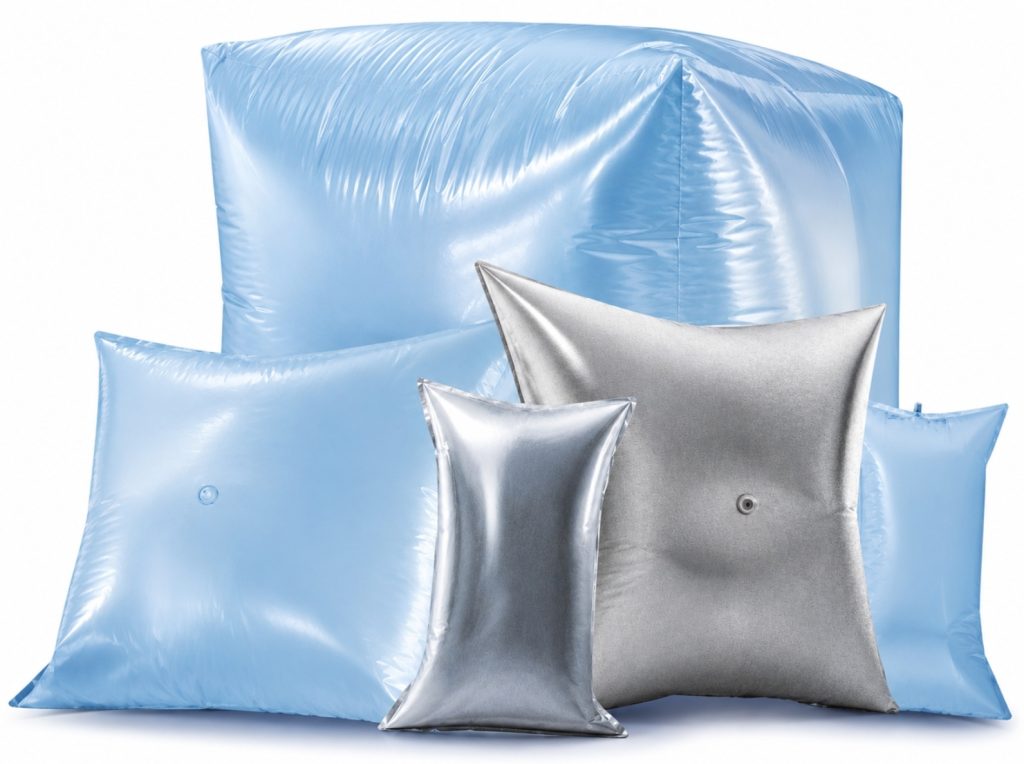
An IBC liner is used as an inner flexible bag inside a compatible IBC, box, tote, or drum. It holds the liquid product and helps reduce direct contact between the cargo and the outer container.
2. Why do companies use IBC liners instead of filling directly into the container?
Companies use IBC liners to improve cleanliness, reduce cleaning work, simplify discharge, protect suitable cargo, and make reusable or collapsible containers more practical for repeated liquid handling.
3. Is an IBC liner disposable or reusable?
The liner is normally used as a replaceable inner packaging item. The outer IBC or container may be reusable, depending on its design and condition.
4. Is an IBC liner suitable for every liquid?
No. Suitability depends on product compatibility, chemical characteristics, temperature, viscosity, hygiene requirements, filling method, and regulatory requirements. Product details should always be reviewed before use.
Product Compatibility Questions
5. What products can be packed in IBC liners?
IBC liners are commonly considered for food-grade liquids, liquid ingredients, edible oils, fruit products, concentrates, syrups, condiments, dairy-related products, beverages, pastes, gels, and selected non-hazardous liquid products.
6. Can IBC liners be used for edible oil?
Yes, selected edible oils may be suitable, provided the liner material, filling temperature, storage condition, and discharge method are appropriate for the specific oil.
7. Can IBC liners be used for fruit juice or concentrate?
Yes, certain fruit juices, apple juice, fruit concentrates, and vegetable concentrates may be suitable. Some products may require barrier protection or temperature-resistant liner construction.
8. Can IBC liners be used for non-hazardous chemicals?
Selected non-hazardous liquid chemicals may be suitable, subject to material compatibility, cargo characteristics, safety requirements, and handling conditions.
9. Can hazardous cargo be packed in IBC liners?
IBC liners are generally intended for suitable food-grade and non-hazardous liquid applications. Hazardous cargo requires separate regulatory review and should not be assumed suitable.
Liner Type and Material Questions
10. How do I choose between standard, barrier, and high-temperature IBC liners?
Standard liners are often considered for general compatible liquids. Barrier liners are used when stronger protection against oxygen, moisture, aroma transfer, or shelf-life risk is needed. High-temperature liners are considered when the product is filled hot or requires temperature-aware packaging.
11. When is a barrier IBC liner needed?
A barrier liner may be needed for products sensitive to oxygen, moisture, aroma change, shelf-life reduction, or quality deterioration during storage and transport.
12. When is a high-temperature resistant liner needed?
A high-temperature resistant liner may be needed when a product is filled at elevated temperature, such as selected oils, syrups, juices, or other hot-filled liquid products.
13. Can the liner material be customized?
Yes. Liner structure may be customized according to product requirements, oxygen sensitivity, temperature, filling process, discharge method, and container format.
Container and Size Questions
14. What containers can use IBC liners?
IBC liners may be used with compatible collapsible paper IBCs, turnover boxes, bottle-in-cage IBC totes, open-top drums, and other suitable container structures.
15. What size IBC liner do I need?
The liner size depends on the outer container capacity, internal dimensions, safe filling volume, cargo density, filling method, and discharge arrangement.
16. Can IBC liners be used with 200L or 220L drums?
Yes, selected liner designs may be used with compatible open-top drums, subject to product suitability, liner design, drum structure, and filling or discharge requirements.
17. Can one liner design fit all IBC containers?
No. Different containers have different shapes, dimensions, support structures, filling access points, and discharge positions. The liner should match the actual container design.
Filling, Spout, and Valve Questions
18. Why are spout and valve choices important?
Spout and valve choices affect filling speed, discharge control, operator convenience, equipment compatibility, hygiene, residue level, and overall handling efficiency.
19. What is the purpose of a top spout?
A top spout is commonly used for filling, inspection, venting, or product access, depending on the process and liner design.
20. What is the purpose of a bottom spout?
A bottom spout supports controlled discharge and is selected according to product viscosity, discharge equipment, valve preference, and operator handling method.
21. Can inlet and outlet positions be customized?
Yes. Inlet and outlet positions can often be matched to the container structure, filling line, discharge method, and customer operating process.
Storage, Transport, and Handling Questions
22. Can filled IBC liners be transported?
Yes, when installed in a suitable supporting container and handled correctly. The outer container must provide proper structural support for the filled liner and cargo weight.
23. What handling precautions are important?
Operators should avoid sharp edges, incorrect installation, overfilling, unsuitable lifting, valve damage, excessive heat exposure, and unsupported movement of filled liners.
24. Can IBC liners reduce product residue?
A suitable liner design, correct outlet position, proper container angle, compatible valve, and appropriate discharge method can help improve discharge efficiency and reduce residue.
25. What information should I provide before requesting an IBC liner recommendation?
Useful information includes product name, food-grade or non-hazardous status, filling temperature, viscosity, density, required volume, container type, filling method, discharge method, storage duration, transport route, and any certification or documentation requirements.
Checklist Before Using an IBC Liner
- Confirm whether the cargo is food-grade or non-hazardous.
- Check liner material compatibility with the product.
- Confirm filling temperature and whether heat resistance is needed.
- Review oxygen, moisture, aroma, and shelf-life sensitivity.
- Confirm the outer container type and internal dimensions.
- Select the correct top spout, bottom spout, or valve configuration.
- Review filling speed, discharge method, and residue expectations.
- Check warehouse, transport, and handling conditions.
- Request technical review before commercial use.
Need Help Selecting the Right IBC Liner?
IBC liner selection should be based on real operating conditions, not only on container capacity. The product, liner material, filling temperature, valve design, outer container, discharge method, and storage duration all affect performance.
LAF Flexitank Services Sdn Bhd can help review your application and recommend a practical liner solution for suitable food-grade or non-hazardous liquid cargo.
Ask LAF About IBC Liner Suitability
Share your cargo type, filling condition, container format, and discharge requirement with our team. We can help you identify whether IBC liner is suitable for your liquid packaging operation.