
Global supply chains increasingly demand packaging and transport systems that are not only cost-effective, but also safe, scalable, and operationally practical. For shippers handling non-hazardous bulk cargo, especially across long distances and multiple transfer points, traditional packaging methods can create unnecessary cost, handling complexity, product loss, and slower loading and unloading cycles. This is why integrated bulk logistics solutions have become an important part of modern industrial transport.
For companies involved in the movement of edible oils, syrups, wine, juice, base oil, palm oil, oleic acid, glycerin, used cooking oil, glycol, PVC, PP, PE, PET, PTA, alumina powder, carbon black, flour, starch, coffee beans, cocoa beans, and similar products, the right packaging system is not merely a container accessory. It is part of the logistics strategy itself.
Well-designed bulk transport systems help businesses move large volumes through standard shipping containers while reducing packaging waste, improving payload efficiency, and supporting smoother door-to-door operations. When these systems are supported by sound design, appropriate loading methods, and technical logistics knowledge, they become a strong competitive advantage for exporters, importers, manufacturers, and distributors.
Why Bulk Logistics Packaging Matters
Bulk cargo presents unique challenges. Liquids require containment integrity, pressure control, food-safety compatibility where applicable, and reliable discharge performance. Powders and granules present a different set of demands: flow characteristics, dust management, contamination control, moisture sensitivity, and loading or unloading efficiency. A packaging solution that works well for one product category may be unsuitable for another.
Because of this, businesses in the global bulk logistics and packaging industry must focus on more than just supplying a liner or transport accessory. They must understand how packaging, container utilization, filling systems, unloading methods, cargo properties, and end-user requirements work together as one operational chain. A true bulk logistics solution improves the entire movement of goods, not just one stage of it.
The strongest solutions in this sector are usually built around four core advantages:
- Safety through proper material selection, structural design, and operational handling
- Efficiency through faster loading, unloading, and improved container utilization
- Economy through reduced packaging costs, fewer handling steps, and better payload performance
- Environmental responsibility through reduced waste, simplified logistics, and more efficient transport capacity
Using Standard 20ft Containers as High-Volume Transport Units
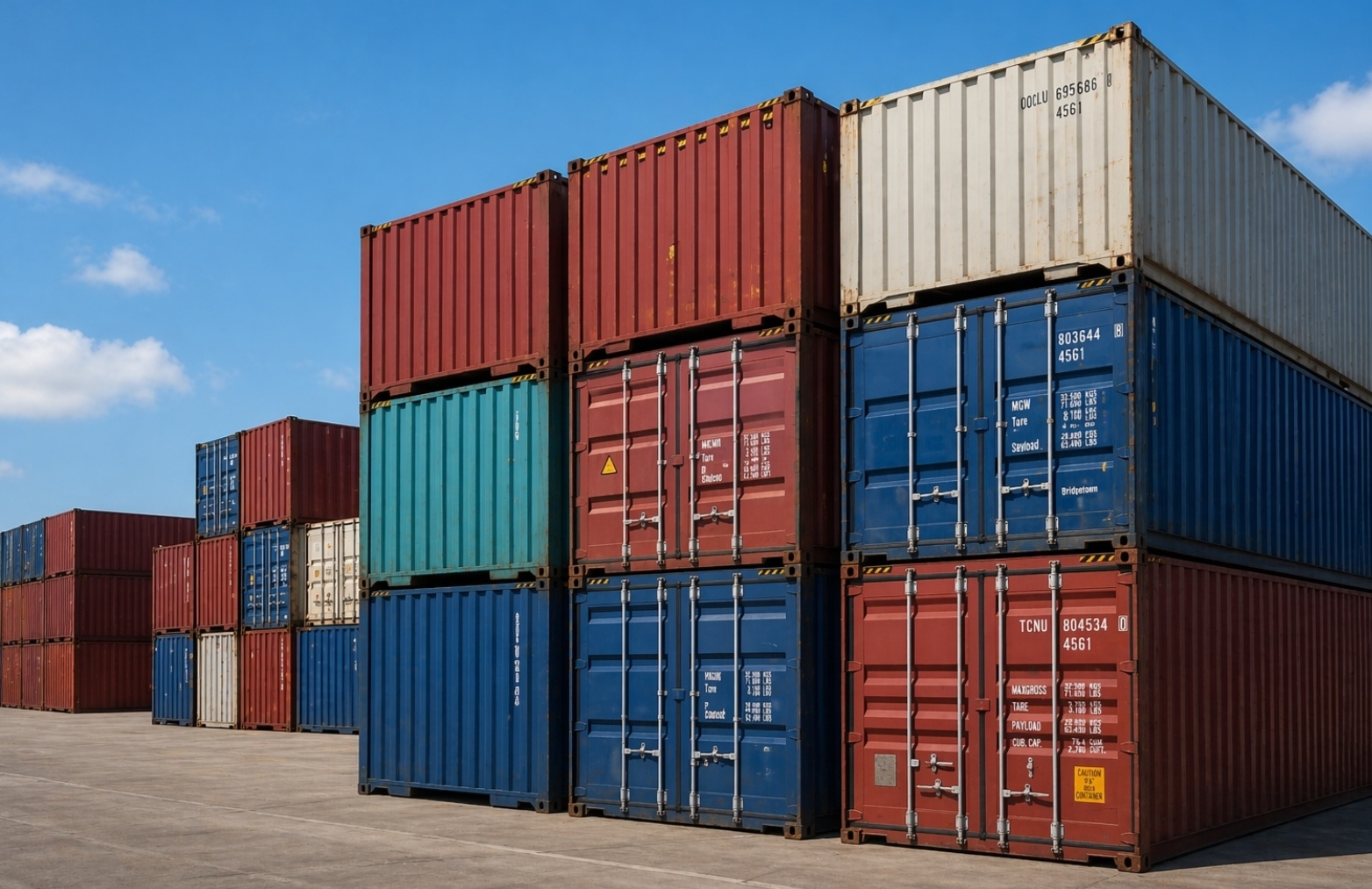
One of the most practical developments in bulk cargo logistics has been the transformation of standard 20ft shipping containers into efficient transport units for non-hazardous bulk products. Instead of depending entirely on drums, intermediate containers, bags, or other traditional formats, businesses can install specialized liner systems within standard containers and convert them into high-capacity shipping solutions for specific cargo categories.
This approach offers an important operational advantage: it uses existing container infrastructure already embedded in international freight networks. As a result, businesses can move product in bulk without needing a completely separate transport ecosystem. The shipping container remains the outer transport structure, while the internal liner system is engineered for the specific product being carried.
For many shippers, this creates a powerful combination of availability, scale, and practicality. Standard containers are widely used across ports, depots, road transport systems, and rail corridors. By pairing them with suitable bulk packaging systems, companies can support more direct and streamlined logistics flows from origin to destination.
Bulk Liquid Transport with Flexitank Systems
For non-hazardous bulk liquids, flexitank systems have become one of the most recognized and efficient container-based transport solutions. Installed inside a standard 20ft container, a flexitank allows the container to function as a large-volume vessel for liquid cargo. This helps reduce dependence on smaller packaging units and supports more economical transport over regional and international routes.
Flexitanks are especially relevant for cargoes such as edible oil, liquid syrup, wine, juice, base oil, palm oil, oleic acid, glycerin, used cooking oil, glycol, and other compatible liquid food products or non-hazardous chemicals. Their value lies not only in volume capacity, but in the overall logistics simplification they can provide.
When properly specified and professionally installed, a flexitank solution can support:
- High-volume liquid transport using standard container equipment
- Reduced packaging material compared with smaller individual units
- More efficient loading at origin and discharge at destination
- Lower handling intensity across the supply chain
- Improved use of container space for suitable liquid cargoes
From a commercial standpoint, this often translates into lower per-unit transport cost, especially for high-volume recurring shipments. From an operational standpoint, it can reduce complexity by consolidating cargo into a single transport system rather than spreading the load across many smaller packages.
Why Flexitanks Appeal to Modern Exporters and Importers
Exporters and importers increasingly look for transport systems that balance cost savings with practical reliability. Flexitanks answer that demand because they combine familiar container handling with a purpose-built interior packaging solution. Businesses do not need to reinvent their entire freight model. Instead, they can integrate bulk liquid shipping into existing freight and container workflows more easily.
This is particularly useful in sectors where product volumes are large and shipment regularity is high. For food-grade liquids and industrial non-hazardous liquids alike, the ability to move substantial quantities in a single container-based unit can improve planning, reduce repacking requirements, and support more predictable cargo movement.
Another important benefit is process simplification. Every additional packaging layer, handling stage, or transfer point can introduce inefficiency, delay, contamination risk, or product loss. A strong flexitank program is therefore not just about the liner itself. It is about reducing operational friction throughout the shipment lifecycle.
Dry Bulk Liners for Powders and Granules
While liquids often receive the most public attention in containerized bulk logistics, powder and granule transport is equally important across manufacturing, food processing, chemicals, polymers, minerals, and agricultural supply chains. Products such as PVC, PP, PE, PET, PTA, alumina powder, carbon black, flour, starch, coffee beans, cocoa beans, and similar materials may all require packaging systems that preserve cargo integrity while enabling efficient bulk movement.
Dry bulk liner systems are designed to convert standard containers into practical transport units for free-flowing or semi-free-flowing dry cargo. Rather than using countless small bags or other fragmented packaging formats, businesses can move significant dry bulk volume in a single containerized system, provided the cargo and route are suitable for that method.
The value of dry bulk liners lies in their ability to support clean loading, secure containment, and efficient discharge. For many users, the real commercial benefit comes from combining liner design with a broader technical solution that considers cargo flow behavior, filling method, discharge process, site conditions, and equipment compatibility.
From Packaging Supplier to Complete Logistics Solution Provider
One of the clearest signs of maturity in this industry is the move from simple product supply to full-solution delivery. Companies no longer want a liner alone. They want a system that works in reality. That means a provider should be able to support packaging design, loading methodology, unloading approach, and product-specific recommendations.
For dry bulk cargo especially, a complete solution may involve more than the liner itself. It can include loading and unloading machine proposals, customized design based on cargo properties, and operational recommendations that make silo-to-silo or plant-to-plant logistics more efficient. This wider service model helps clients reduce trial-and-error implementation and gives them greater confidence in the final transport outcome.
In practice, a complete bulk logistics solution provider should understand questions such as:
- What is the density and flow behavior of the cargo?
- Does the product bridge, compact, absorb moisture, or generate dust?
- What loading speed and unloading method are required?
- Is the destination site equipped for pneumatic, gravity, or mechanical discharge?
- What level of cleanliness, contamination control, or food compatibility is needed?
These are not minor technical details. They directly affect the success or failure of containerized bulk transport.
Safe Bulk Transport Begins with Design and Process Control
Safety is one of the first decision factors in bulk logistics because failures in packaging or handling can affect product quality, shipment integrity, customer confidence, and operational continuity. In this industry, safety should be understood broadly. It includes structural performance, proper installation, cargo compatibility, handling discipline, and loading or unloading procedures.
A safe bulk logistics system is not achieved by marketing language alone. It depends on whether the packaging has been properly engineered for the application and whether the operational process has been designed with discipline. This includes correct container preparation, correct installation, secure fittings where applicable, disciplined filling protocols, and suitable discharge procedures at destination.
For food-related applications, safety also extends to hygiene and contamination control. For industrial applications, it includes compatibility with the chemical and physical characteristics of the product. The more demanding the shipment profile, the more important proper specification becomes.
Efficiency Is Not Just About Speed
Efficiency in bulk logistics is often misunderstood as simply loading faster or unloading faster. In reality, efficient logistics means removing unnecessary steps across the full supply chain. A container system may be called efficient if it reduces manual handling, simplifies site operations, decreases repacking, supports higher payload utilization, and shortens the time between dispatch and usable delivery.
For example, replacing smaller fragmented packaging with a bulk liner system can reduce labor requirements, reduce handling repetition, and make transport planning more straightforward. It may also allow better synchronization between production, warehousing, transport booking, and destination intake. These are meaningful advantages for businesses under pressure to optimize cost and service levels simultaneously.
Efficiency also influences scalability. A logistics method that works for occasional shipments may not perform well for repeated exports or high-throughput operations. The best bulk solutions are those that remain efficient not only once, but consistently across repeated shipment cycles.
Economical Solutions Must Be Judged Across the Whole Shipment Chain
When businesses evaluate cost, they sometimes focus too narrowly on the purchase price of the packaging system itself. In reality, a bulk logistics solution should be assessed across the full shipment chain. That includes packaging cost, labor cost, loading and unloading time, product loss risk, container utilization, storage implications, transport efficiency, and destination handling requirements.
A solution that appears cheaper at the packaging level may become more expensive once additional labor, slower turnaround, higher waste, or more complicated unloading are taken into account. Conversely, a better-engineered system may create savings by reducing downstream inefficiencies that are often overlooked in initial procurement decisions.
For many companies, the most economical bulk transport strategy is the one that produces the lowest total operational cost while maintaining cargo integrity and practical handling. This is why experienced logistics and packaging partners are valuable: they help clients evaluate the real cost picture, not only the visible line item.
Environmental Responsibility in Bulk Packaging
Sustainability has become a growing concern across shipping, manufacturing, and supply chain management. In the bulk logistics industry, environmental performance is increasingly linked to how efficiently cargo is moved and how much packaging waste is generated. Better container utilization and reduced reliance on excessive small-format packaging can contribute to a more resource-conscious logistics model.
Environment-friendly bulk solutions do not depend on slogans alone. Their value comes from practical outcomes such as lower packaging intensity, more efficient shipment planning, fewer handling stages, and simplified cargo movement using established container networks. For companies under pressure to improve operational sustainability, these factors are becoming more significant in procurement and logistics planning.
As customer expectations and regulatory scrutiny continue to evolve, businesses that adopt more efficient and responsible bulk transport systems are likely to be better positioned both commercially and operationally.
Applications Across Food, Chemical, and Industrial Sectors
The global bulk fluids and dry bulk logistics industry serves a wide range of sectors, each with its own cargo sensitivity, regulatory environment, and handling requirements. This is why versatile packaging expertise matters so much. A provider operating in this field should be able to understand the differences between food-grade expectations, industrial material behavior, and chemical compatibility requirements.
Typical liquid applications may include:
- Edible oils
- Liquid syrups
- Wine
- Juice
- Base oil
- Palm oil
- Oleic acid
- Glycerin
- Used cooking oil
- Glycol
- Other suitable liquid food products or non-hazardous chemicals
Typical powder and granule applications may include:
- PVC
- PP
- PE
- PET
- PTA
- Alumina powder
- Carbon black
- Flour
- Starch
- Coffee beans
- Cocoa beans
- Other suitable food or non-hazardous dry bulk cargoes
This broad application range shows that the bulk logistics and packaging industry is not limited to one product niche. It is a technical transport sector supporting diverse manufacturers and traders that need reliable, scalable, container-compatible movement of goods.
The Value of a Knowledge-Driven Bulk Logistics Partner
In a competitive market, the strongest companies in this space are those that combine packaging technology with logistics understanding. They do not merely sell a flexitank or a dry bulk liner. They help clients determine the right transport approach based on product type, route conditions, handling infrastructure, and commercial priorities.
That expertise is especially valuable when cargoes are sensitive, shipment volumes are high, or operations are repetitive across international supply chains. In these cases, even small improvements in loading method, packaging suitability, or discharge design can produce meaningful savings and more reliable execution over time.
A knowledge-driven supplier becomes more than a vendor. It becomes part of the client’s operational problem-solving network. That role is increasingly important as global supply chains become more cost-sensitive, quality-sensitive, and schedule-sensitive.
Engineered for Scalable Bulk Transport
The future of global bulk logistics lies in integrated systems that are practical, scalable, and responsive to the realities of international trade. For non-hazardous liquids, powders, and granules, container-based bulk solutions offer a compelling path forward when supported by the right packaging design and technical know-how.
Flexitank systems for liquids and dry bulk liners for powders and granules are not just transport accessories. They are part of a broader logistics framework designed to improve safety, efficiency, economy, and environmental performance. Businesses that understand this are better positioned to reduce waste, streamline operations, and move product more intelligently across the supply chain.
For companies operating in the bulk fluids logistics and packaging industry, the real opportunity is not simply to move cargo. It is to deliver complete, reliable, and commercially valuable transport solutions that help customers ship more effectively in a demanding global market.
Technical and Operational Value of LAF Bulk Solutions
LAF bulk logistics systems are developed to address real operational challenges in the transportation of non-hazardous liquids, powders, and granules. Rather than functioning as standalone packaging products, these solutions are engineered to improve the overall efficiency, safety, and reliability of containerized bulk transport.
Each system is designed with consideration for cargo characteristics, handling conditions, and logistics requirements, ensuring consistent performance across different industries and shipment environments.
- Optimized container utilization to maximize payload and reduce transport cost per unit
- Controlled loading and discharge systems to improve operational efficiency and minimize product loss
- Reduced handling complexity by eliminating the need for multiple small packaging units
- Improved cargo protection through secure containment and material compatibility
- Adaptability to different cargo types including liquids, powders, and granules
- Integration with existing logistics infrastructure for seamless global transport operations
This integrated design approach ensures that LAF solutions deliver measurable performance improvements in real-world logistics operations, supporting consistent, scalable, and cost-effective bulk cargo transportation.